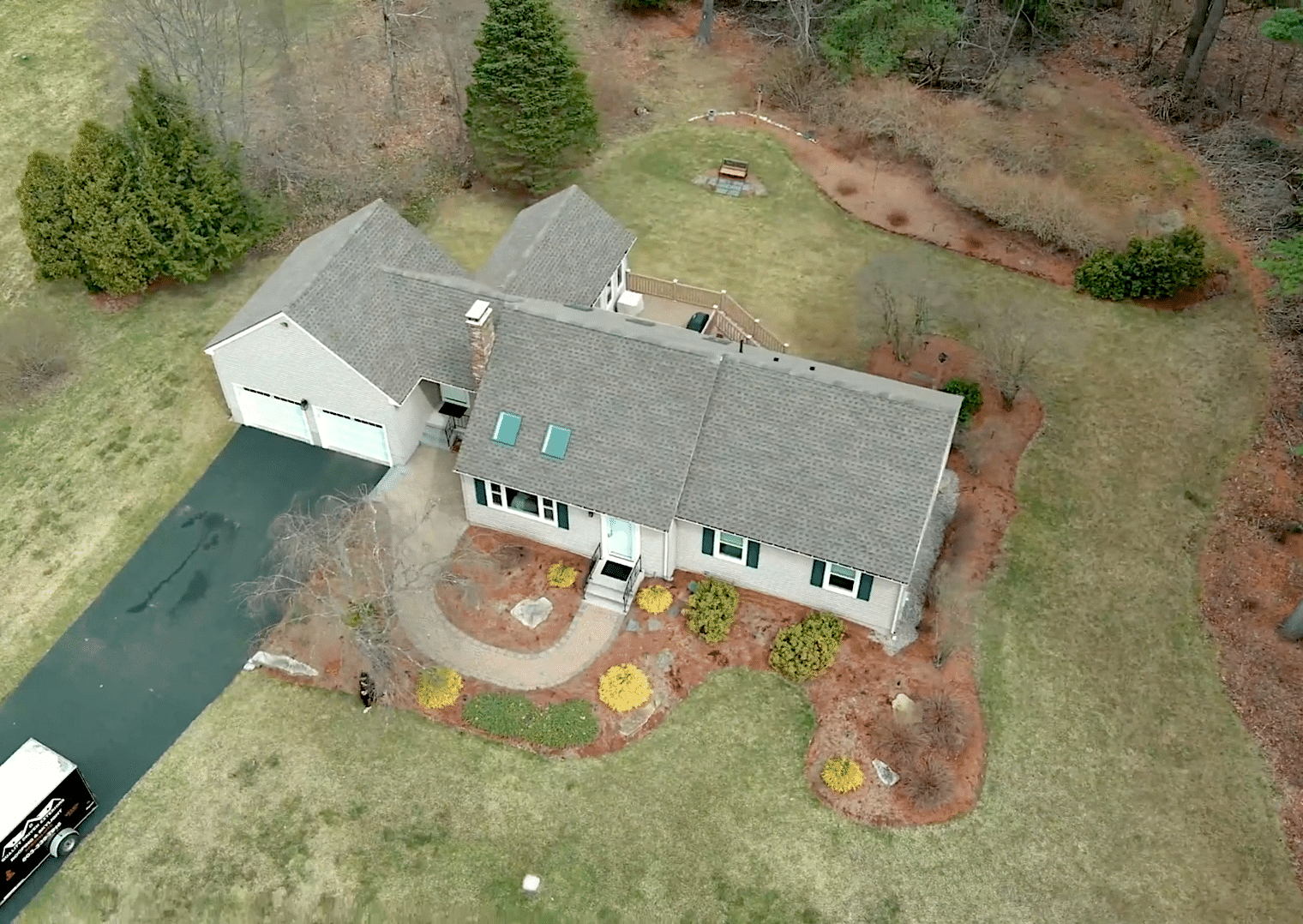
For many of us, having a skylight in the bedroom was a childhood dream. Back then, it was all about watching snow fall in the winter, listening to April showers, or looking up at the summer stars.
As adults, skylights can still bring that sense of wonder to our homes, but they can also serve practical purposes, including increasing natural light and boosting ventilation.
Before starting your next skylight installation, the team at Quality Driven Exteriors wants to help you understand the three most common types of skylights, along with the benefits and likely drawbacks of each.
Fixed Skylights: Simple and Beautiful
A fixed skylight is a sealed window installed into the roof. It allows natural light into your home but cannot be opened for ventilation.
Fixed skylights can look stunning above a bedroom, living room, or other space where you want more natural light. They are generally more affordable than vented skylights and have fewer moving parts, rendering them highly weather-resistant and diminishing the risk of leaks.
However, fixed skylights aren’t ideal if ventilation is one of your primary goals. They can also be difficult to clean, especially when installed in rooms with vaulted ceilings.
Because they don’t open, fixed skylights cannot help release trapped humidity or control indoor temperatures through airflow. Unshaded glass may also contribute to solar heat gain during the warmer months.
Vented Skylights: Maximize Airflow and Beat the Heat
Vented skylights are designed to open manually or electronically, allowing fresh air to circulate while bringing natural light into your home.
These skylights are often an excellent choice for kitchens and bathrooms. Opening a vented skylight can help release cooking odors, smoke, humidity, and moisture. In bathrooms, improved ventilation can help reduce excess moisture and the conditions that contribute to mold growth.
The biggest drawback is cost. Vented skylights can cost approximately 30–50% more than fixed skylights, depending on the model and installation requirements.
Some models also come equipped with rain sensors that automatically close the skylight when rain is detected. This can provide extra peace of mind, especially if you accidentally leave the skylight open.
However, the moving components of a vented skylight can create more opportunities for mechanical problems and leaks compared with a fixed skylight. Models without rain sensors also rely on homeowners to remember to close them before bad weather arrives.
Tubular Skylights: Not Your Average Window
This model presents a different approach to bringing natural light into your home. Also known as solar tubes or solar tunnels, these small units use a small dome installed on the roof to capture sunlight.
The sunlight travels through a highly reflective metallic tube and is distributed into an interior room below. Because tubular skylights are smaller and typically require less structural modification than traditional skylights, installation can be more affordable.
They are also tightly sealed at both ends, which helps minimize heat transfer. Their dome-shaped exterior can shed water and debris effectively, helping reduce the risk of leaks.
The main limitation is size and function. Tubular skylights are best suited for smaller spaces such as hallways, bathrooms, closets, and other areas that need additional daylight. As opposed to traditional skylights, they don’t provide a view of the sky, clouds, or stars. They also only provide natural light during daylight hours.
Which Skylight Installation Is Best for You?
Each type of skylight offers unique advantages and comes with its own considerations. The best option depends on what you want to accomplish, whether that’s bringing natural light, increasing ventilation, reducing energy costs, or creating a better view of the outdoors.
You don’t have to decide alone. The team at Quality Driven Exteriors can help you evaluate your options and recommend a skylight installation that fits your home, budget, and needs.
Have questions about your next skylight project? Contact Quality Driven Exteriors through our website or call (603) 339-7916 to learn more or request a free estimate.